Transforming Your Yard into a Native Oasis
By Danielle Huryn, West Park Resident, Tree Steward and Conservation Biology Masters Student
In the beautiful warm weather, gardens throughout West Park streets are blooming, and many include native flowering plants – but why? Why would it matter whether a garden hosts native plants or not? While we’re lucky enough to have natural areas like the Rocky River Reservation and other Cleveland Metroparks nearby, the way that we manage our yards also has a huge impact on our community. The health of our local ecosystem affects our health, the well-being of wildlife, and even the stability of our regional climate!
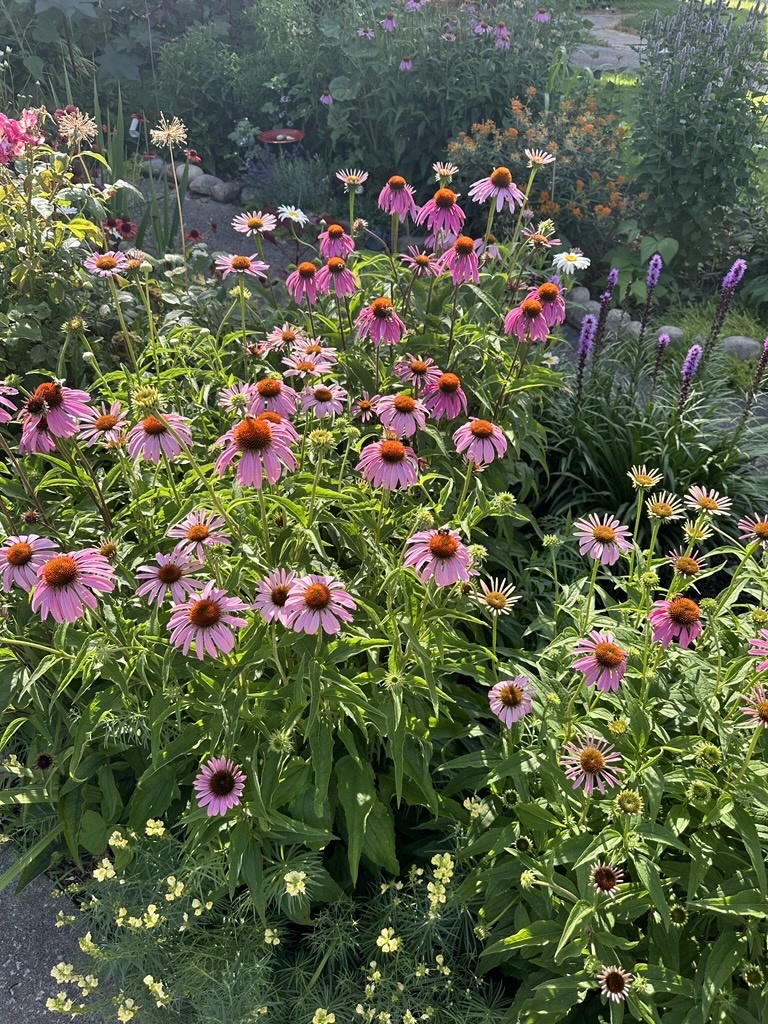
Conservation involves preserving or restoring the natural ecosystem, and planting a garden of native species is one way to take part in community conservation. As cities and surrounding suburbs expand, the natural areas around them are deeply impacted. From losing habitats to struggling to find food sources, it can be a serious challenge for animals and plants to adapt to urban development. After all, natural areas are defined by the interactions between the plants and wildlife present. In the worst cases, native species that can’t adapt may disappear from the landscape and leave crucial roles unfilled.
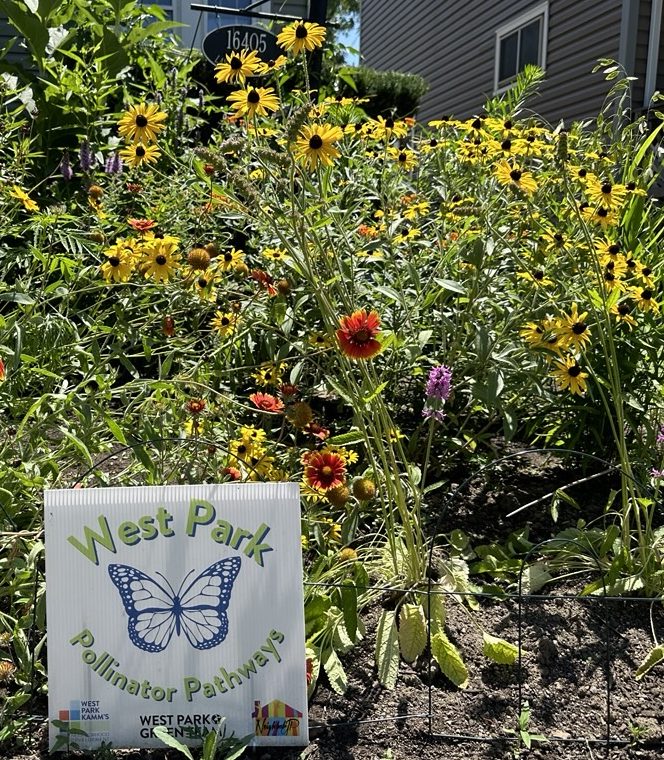
Adding a native garden to your yard supports the ecosystem by providing wildlife food sources and habitats and creating pollination opportunities. Our community relies on native plants for our own health, as they help with air and water quality as well as regulating local temperatures. Amazingly, personal gardens can contribute to this significant impact!
More than 50% of US forestland is made up of private property. Your yard has the potential to either expand the natural landscape or continue to erase it. It may sound like a lot of work, but established native yards can actually shrink your chore list! Think about the trails throughout Cleveland Metroparks: they’re often surrounded by short ground plants that don’t need frequent maintenance such as trimming, watering, and fertilizing. Imagine if your yard could be as beautiful and important as the nearby reservations while requiring less maintenance than the staple turf-grass lawns!
With a traditional lawn already in place, you may be wondering when and where to start with this kind of community conservation. Thankfully, there are a number of local resources for planting native yards! On Earth Day last year, Cleveland Metroparks launched an interactive guide for planting trees and ecologically responsible landscaping. If you’re more interested in the insights of a specialist, the Audubon Society of Greater Cleveland partnered with other local organizations to coordinate the Nature in My Backyard program. The garden certification program offers participants the option to either access a step-by-step guide or to request a free visit from program team member.